The Art of the Desi Ghee Tadka: Temperature, Essential Oils & The Chemistry of Spice Blooming
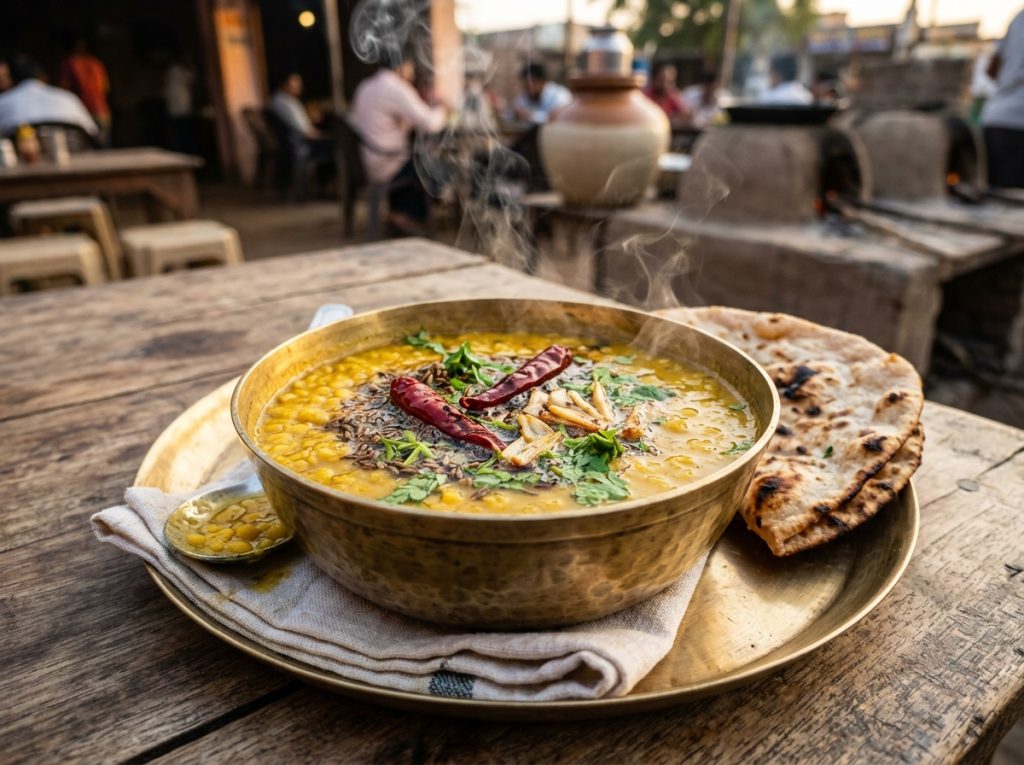
Listen closely to an Indian kitchen at 7:00 PM, and you will hear the universal melody of subcontinent culinary tradition: the crackle of cumin seeds, the sharp pop of black mustard, and the dramatic hiss as sizzling spiced desi ghee is poured over a steaming pot of yellow dal.
The Chemistry of the Bloom: Why Fat is a Flavor Solvent
In culinary chemistry, tadka (also known as vaghar, chonk, or tempering) is far more than a decorative garnish. Whole spices are nature’s armored capsules. Their most aromatic volatile chemicals — like cuminaldehyde in jeera, anethole in fennel, and capsaicin in chillies — are strictly fat-soluble (lipophilic).
If you boil whole cumin or coriander in plain water, these essential compounds remain locked within the seed wall. But drop them into hot fat — particularly pure desi cow ghee — and the hot lipids dissolve the hydrophobic spice resins within seconds, multiplying their aromatic surface area by a factor of hundreds.
The Golden Temperature Rule: The 170°C Sweet Spot
The difference between a transcendent royal tadka and a bitter, scorched disaster lies entirely in heat management:
- Below 140°C: The oil is too cold. Spices absorb fat like sponges, become soggy, and fail to crackle. The essential volatile oils never break free.
- The Sweet Spot (165°C – 180°C): Whole seeds dance, swell, crackle, and release their signature essential oils without scorching. Cumin turns nutty brown, and dried chillies turn glossy dark maroon.
- Above 200°C: The smoke point is breached. Delicate ground spices like haldi and mirch instantly turn black and develop bitter, acrid carcinogens within 3 seconds.
The Strict Hierarchy of Dropping Spices (The Timing Protocol)
A master chef never throws all spices into the tadka pan simultaneously. Different botanicals possess vastly different thermal densities:
- Phase 1 — Heavy Whole Seeds (0 to 10 secs): Black mustard seeds (rai), fenugreek (methi dana), and whole cassia cinnamon. Mustard seeds need high heat to pop and shed their bitter glucosinolates.
- Phase 2 — Light Aromatic Seeds (10 to 20 secs): Cumin (jeera), fennel (saunf), and whole dried Kashmiri chillies. Watch cumin turn from dull khaki to fragrant golden brown.
- Phase 3 — Fresh Alliums & Herbs (20 to 35 secs): Sliced garlic, ginger juliennes, and fresh curry leaves. Lower flame to prevent burning.
- Phase 4 — Ground Finishing Powders (Last 5 secs, Off the Heat): Foodphenic Kashmiri Mirch, Salem Haldi, and Hing (asafoetida). Always remove the pan from the flame before dusting in ground spices — the residual heat of ghee is more than enough to cook them safely!
Why does Dhaba Dal taste infinitely deeper than home dal? The secret is Double Tadka. The first tadka (onion, ginger, tomatoes, haldi, dhaniya) is simmered directly into the lentils during pressure cooking. The second tadka (pure desi ghee, stone-ground jeera, garlic slivers, and Foodphenic Kashmiri Mirch) is sizzling and poured over the bowl literally 3 seconds before hitting the table!
Elevate Your Daily Tadka with Pure Spices
Experience the intense aroma of single-origin cumin, cold stone-ground coriander, and vibrant Kashmiri chillies in your daily cooking.